
Book a demo Book a demo Access Now
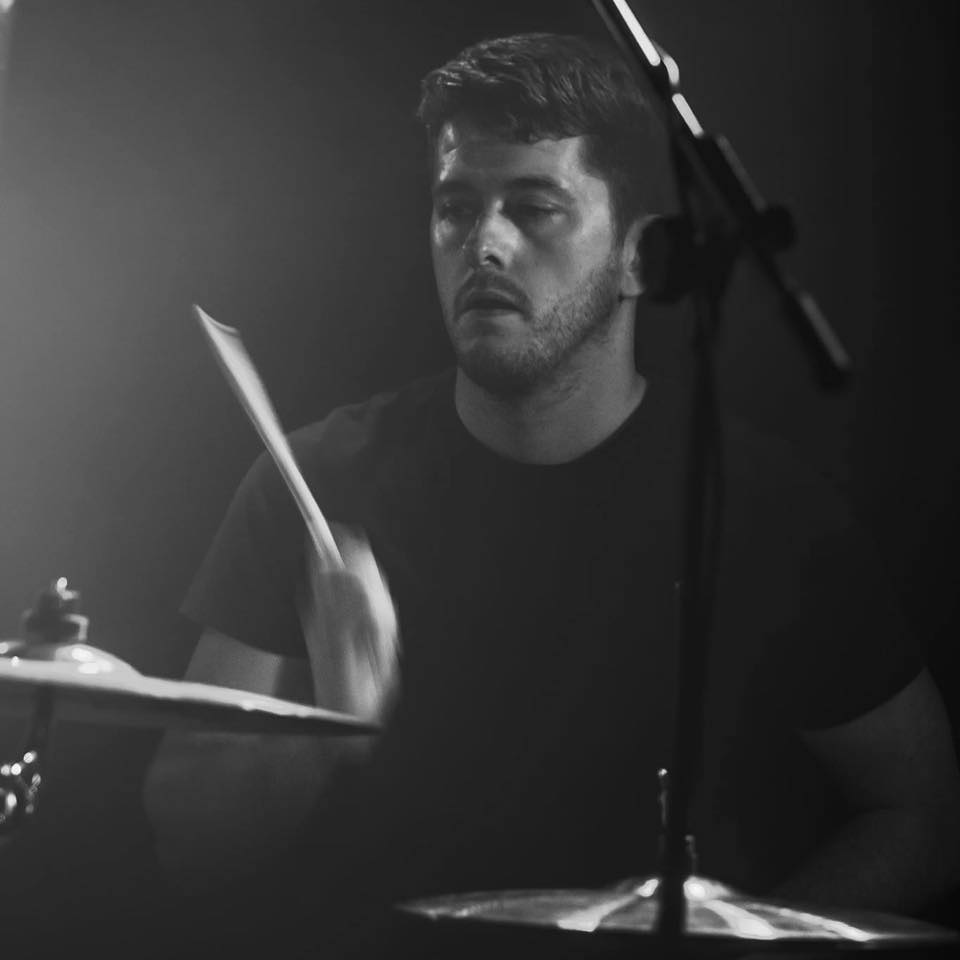
At 10am on Saturday 14 November, Guernsey Gaming For Good goes live. It doesn’t stop until 10am on Sunday.
That’s 24 hours, 35 participants and a crew of five running the stages and live stream. Six shifts take us through game tournaments, quizzes, music challenges and, at some point, a talk show parody.
It’s the 18th marathon the team has run in ten years, raising over £48,000 for Guernsey charities.. Every year we push the production a little further. This year, we’re also changing how we organise it.
We’re using an early version of Stage Portal Event, our new event platform currently in development, to bring the running order, participant details and production requirements together.
Here’s how we’ve set it up, and why the challenges of a 24-hour gaming marathon will feel familiar to anyone who runs events.
A tournament, a quiz and a music challenge might sit next to each other in the programme. On stage, they can require completely different setups.
Cameras move. Microphones change hands. Props come on and off. Different people need to be in the right place, ready for the next segment.
The changeover is an event in itself. And while the crew resets the stage, the stream needs to keep moving.
Across the shifts, the challenge is keeping everyone clear on what happens next, what it needs and who is responsible.
For years, the marathon ran on spreadsheets: production schedules, participant lists, technical requirements and who was playing when.
Keeping those documents aligned took work. “Which version is this?” isn’t a question you want to be answering at 3am.
This year, we’re bringing that information together in Stage Portal Event:
A main-stage running order covering all 24 hours, organised into six shifts, with timings and participants against each segment.
A separate schedule for the individual streams, using a second stage in the platform to show who is streaming and when.
Participant details alongside their scheduled slots, collected before the event rather than chased on the day.
Technical and stage requirements against each segment, so the crew can see what the next setup needs.
Crew call times for each shift, making it clear who is on and what they are running.
A shared, current version of the programme, so a timing change doesn’t have to be copied across several documents.
We’re building Stage Portal Event around the work we know from running events ourselves, while working with a number of event management professionals. This weekend gives us a chance to test it under real conditions: overnight handovers, changing setups and a live and complicated programme.
The platform is still in development. What we learn here will help shape it ahead of our planned January 2027 launch.
You don’t need to run a gaming marathon to recognise these challenges. Conferences, festivals and awards nights all depend on clear timings, prepared crews and good handovers.
Break the event into manageable blocks, each with a named lead and a clear handover. Then check the joins: who is still working, who is arriving and what needs to be passed on.
A neat schedule is only useful if the people delivering it can follow it.
What changed? What is running late? Has a microphone failed? Is someone covering a different role?
If that information only exists in someone’s head, it can disappear when they finish their shift. A short, clear handover helps the next crew start with the right picture.
The crew should be able to look at the next item and see what it needs: inputs, cameras, screens, props and people.
A full technical document still has its place. But during a changeover, the immediate question is simpler: what do we need ready next?
Choose one place for the latest timings and make sure everyone knows where to find it.
Printed copies can be useful backups, but label them with a version or timestamp. When something changes, there should be no doubt about which schedule to follow.
Moving from a quiz to a music challenge can mean a full stage reset. Give that work time in the schedule, assign responsibilities and plan what the audience will see while it happens.
The transition needs as much thought as the segments on either side.
These are straightforward habits. The challenge is maintaining them when everyone is tired and the next segment is about to start. That’s why we’re putting the details somewhere the whole team can find and update them.
The marathon runs from 10am on Saturday 14 November to 10am on Sunday 15 November 2026, Guernsey time.
Watch on Twitch and support the fundraising at GG4G.gg
After the event, I’ll share what worked, what still caught us out and what we’re changing before the planned January launch.
Planning an event with its own moving parts? Book a demo to explore Stage Portal Event and see how we’re using it to organise this one.
Receive actionable tips on managing events, bookings, touring, and logistics.
You're in!
First issue lands in your inbox next week.
Please check our privacy policy to see how we protect your data.
The Advance is a podcast for independent artists and band managers. Each episode covers one practical topics for improving gig logistics.
Guides, product news and one thing to try before your next event.
You're in
The next issue of The Advance lands in your inbox this week.
Cookie Settings
We use strictly necessary cookies to keep the site running. With your permission we'd also like to use others to help us to improve your experience by providing insights into how the site is being used
Strictly Necessary
Required for the site to function. Cannot be disabled.
Analytics
Analytical cookies help us to improve our website by collecting and reporting information on its usage.
Marketing
We use marketing cookies to help us improve the relevancy of advertising campaigns you receive.
Read our Privacy Policy for more information.